
For years, I lived in Adland – as we like to call it – the fast-paced world of campaigns, clients, and caffeine. It’s a place powered by energy, ideas, and a healthy dose of competition. You learn to sell stories, grab attention, and make people feel something in thirty seconds flat. That’s the job. ROI rules the roost, and creative brilliance is often measured in clicks and conversions.
When I did my master’s in advertising, “digital” wasn’t even part of the curriculum. Now, I can barely keep pace with the latest AI tools shaping our industry. So, over time, I’ve had to evolve – not just for my own growth, but for the clients I serve.
Because if you want to build brands that last, you have to see beyond the campaign calendar.
My Early Assumption
Back in Adland, I thought “creating a brand” meant running a great campaign and designing a clever logo. That was the formula:
Big idea + visual identity = brand.
But when I joined TAP, I realised how much happens before the creative brief even hits the team. Real brand creation starts with purpose, positioning, and personality – the quiet conversations that shape everything that follows. Even down to how the letter C should be treated in the logo!
A brand can’t be designed overnight. It has to be defined, tested, and lived. And too often, agencies treat strategy and design as two separate briefs when, in reality, they should work side by side in creation.
Discovering a New Way to Think Creatively
Advertising agencies are full of creativity – I loved (and still love) working in the industry. Even now, I can’t help but throw campaign ideas into brand workshops (old habits die hard). But the more I worked in brand strategy and environmental experience, the more I realised it’s a completely different muscle.
Branding isn’t about the next campaign; it’s about coherence over time – and creating a blueprint for others to build from.
I once worked on a rebrand that went straight to logo design, with the attitude of “let’s see what fits in a leaderboard.” No real exploration of purpose or story. Within a year, the company reverted back to its old logo. That’s when it really clicked – you’ve got to do this properly. A good advertising partner will recommend an agency who can do the job well if they can’t, rather than take it on just to boost their bottom line.
At TAP, we start with research, workshops, and real conversations. Because you can’t design how a clinic should look and feel without understanding the patient journey. And you can’t shape a brand for a hotel or retailer without knowing what its people and customers experience every day.
That’s not design – that’s empathy in action.
The Brand as a Living System
One of the biggest mindset shifts for me was learning to see brands as living systems, not one-off campaigns.
In Adland, most relationships sit squarely in marketing – briefs, KPIs, success metrics. In Brandland, it’s different. You find yourself in rooms with founders, HR teams, architects, and product designers. Because everyone expresses the brand – visually, verbally, spatially, behaviourally.
A brand isn’t something you launch.
It’s something you live.
When You Can FEEL A Brand
This is where branding gets exciting – and where it was all new territory for me – the environmental experience. It’s what we’re known for at TAP and what truly sets great brands apart.
A brand doesn’t just live on a screen or in a tagline. It lives in how you feel when you interact with it – in-store, online, or in person.
You experience a brand when:
• A store layout tells the same story as its logo.
• A hotel lobby mirrors the tone of its website.
• A clinic’s interiors calm you before you’ve even seen a doctor.
Materials, lighting, and flow aren’t “nice-to-haves.” They’re part of the brand language.
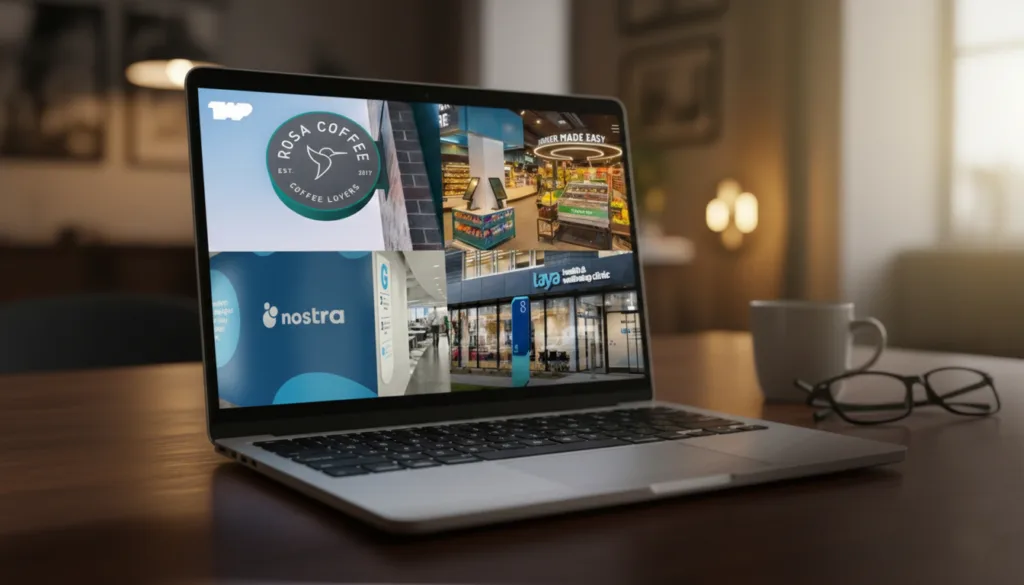
That’s why so much of our work lives in digital design, retail, hospitality, and healthcare spaces. These environments aren’t just touchpoints – they’re proof points. They show whether a brand’s purpose holds up in the real world.
And if I had a euro for every time I’ve heard the word consistency across touchpoints, I’d be writing this from the beach.
When Everything Connects
The most rewarding projects we’ve worked on at TAP are the ones where everything connects- where the website, interiors, guideline development, and employee culture all sing from the same hymn sheet.
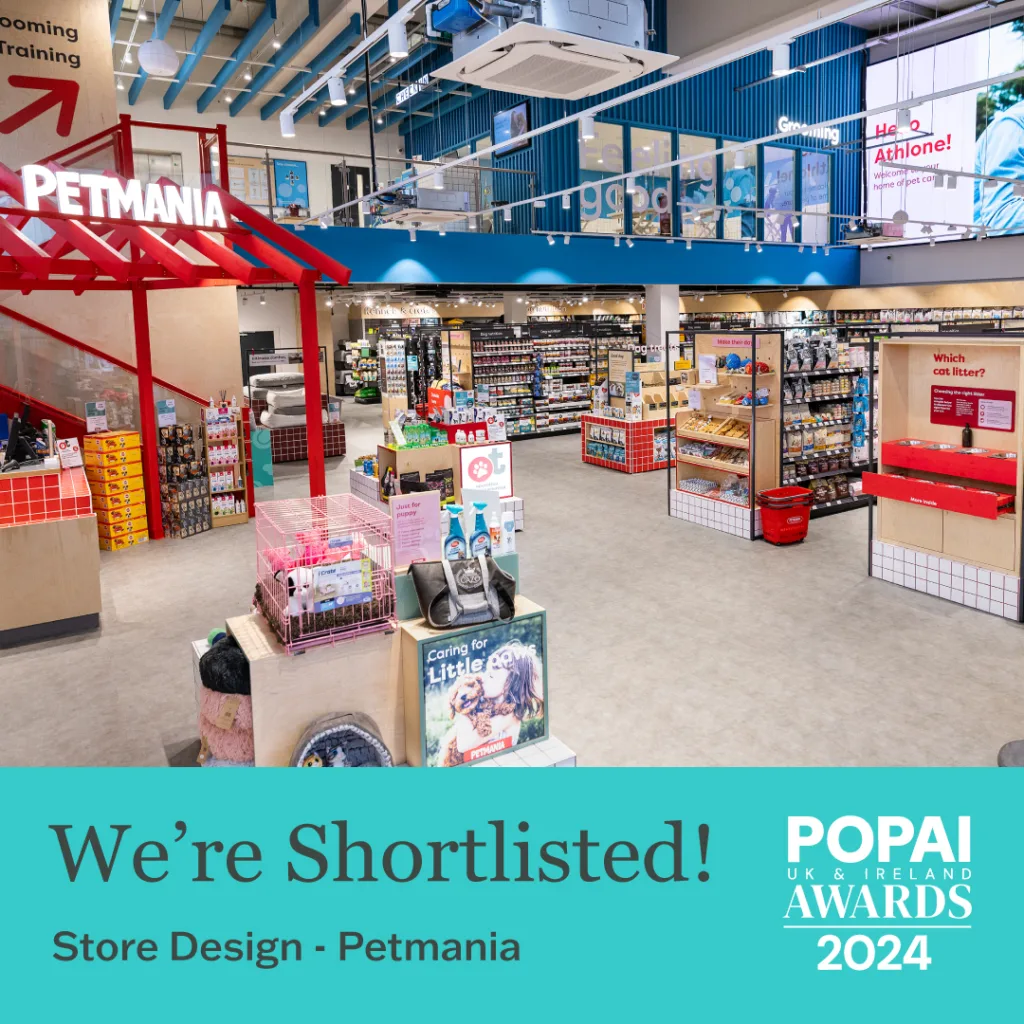
I’ve seen it in retail, when a store’s layout reflects transparency and simplicity.
I’ve seen it in hospitality, where the lighting, signage, and even the floors embody warmth and generosity.
And I’ve seen it in clinics, where the space itself communicates care and calm before anyone says a word.
Those aren’t decorative decisions. They’re strategic expressions- the heartbeat of a brand experience, shaped through process and purpose.
Five Lessons I’ve Learned Crossing the Divide
- Branding gives campaigns their soul.
When a brand’s foundations are strong, every campaign feels natural – not forced. Advertising becomes amplification, not invention. Just because an agency says they can do your brand – shop around! - You can’t brand your way out of confusion.
If a business doesn’t know what it stands for, design and advertising will only mask the cracks temporarily. The truth always shows. Have consistency from packaging to premises. - Attention without trust is wasted energy.
Adland teaches you to win the spotlight; Brandland teaches you to keep it by delivering on your promise. Have your agencies work together. Allow your branding agency to be your guardian. - Environments are as communicative as logos.
The materials in a café, the signage in a store, the lighting in a lobby – they all speak volumes about who you are. They’re part of the brand’s voice. Brand and experience are what we deliver – not many can do that. Why bring the horse to water (advertising) if the water is mucky (environment)? - Consistency isn’t the enemy of creativity.
In branding, consistency gives creativity direction. It turns chaos into clarity- and that’s what builds recognition and loyalty. Strong guidelines need to be in play so that each of your agencies on the roster knows the rules. Consider keeping the branding agency on retainer to act as guardian.
A Final Reflection
Crossing from Adland to Brandland didn’t dull my creative instincts – it sharpened them. It’s helped me have more honest conversations with clients about where creativity truly begins.
Since joining TAP, I’ve pushed for deeper brand research, stronger guidelines, and more holistic thinking around customer journeys. It’s about seeing the brand not as a campaign to sell, but as an experience to shape.
Adland teaches urgency, collaboration, and persuasion. Brandland teaches patience, listening, and conviction. I’m still working on the patience part (to the amusement of my colleagues), but I’ve learned that the two worlds actually complement each other beautifully. Advertising energy + brand depth = powerful storytelling.
And yes – walking into my local SuperValu and saying, “we did this,” still gives me a buzz every single time.
If you’d like to have a Candid Chat about how we can support your brand through design, strategy, and experience, reach out to us at TAP Design Consultancy – part of the kith&kin group, alongside Pluto and bloom.

By Jennifer Monks
Client Services Director
[email protected]